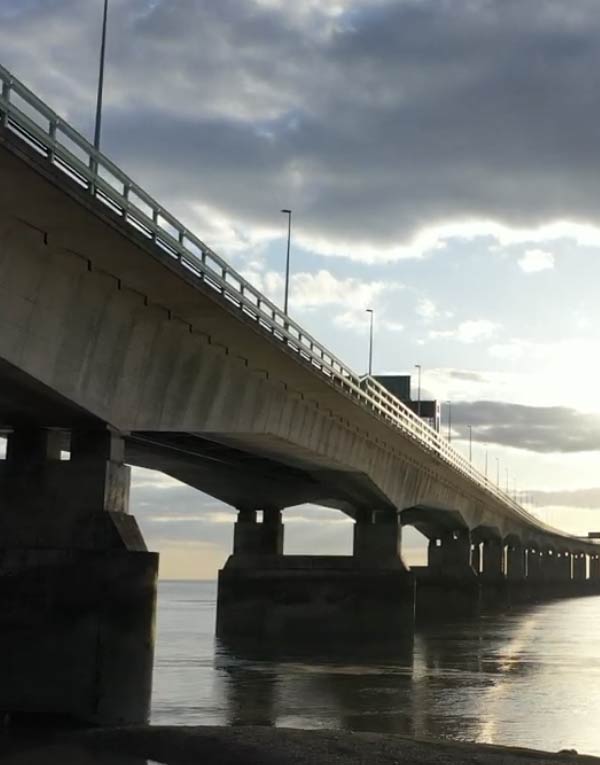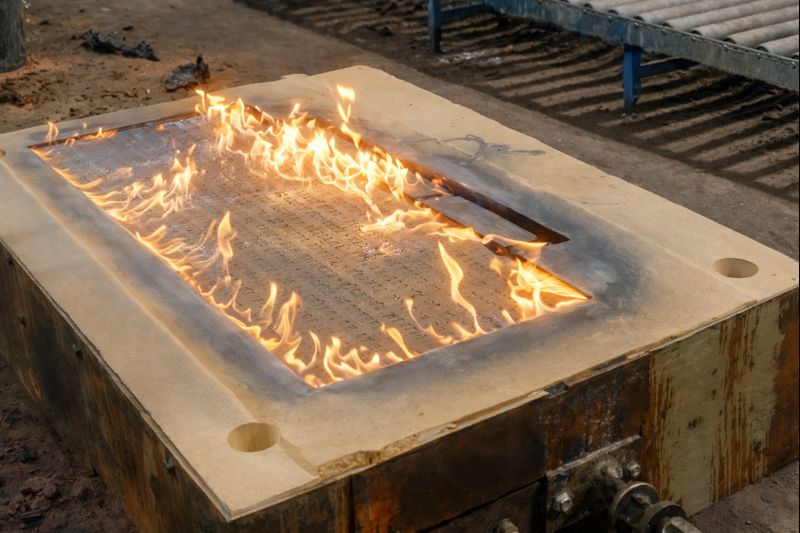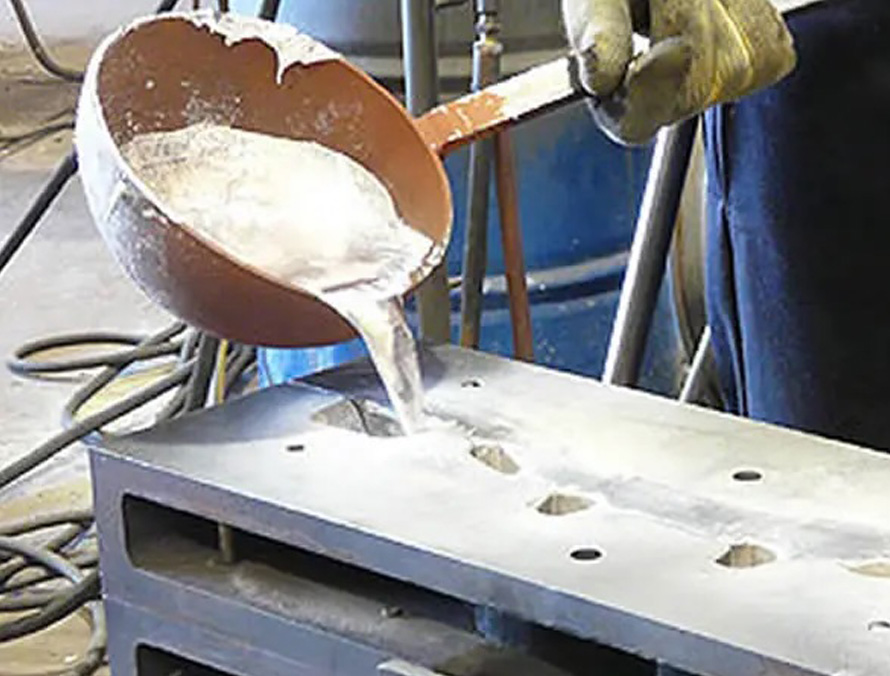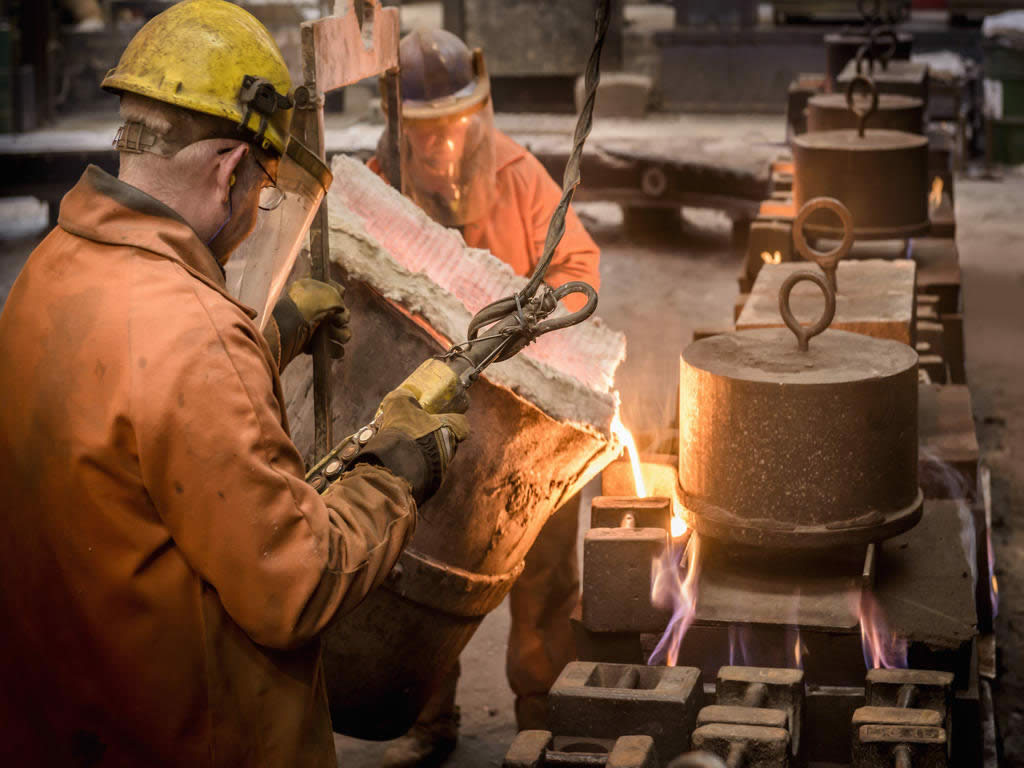
From offshore turbines to marine infrastructure, components in extreme environments demand more than just strength – they need resilience under heat, stress, and corrosion.
As a leading iron castings supplier, Fowler & Holden helps engineers choose the right materials and castable designs for harsh-use applications across the UK.
Here’s what to consider when specifying your next high-temperature or marine-grade casting.
Choosing the Right Materials for the Environment
Standard grey iron works well for general applications – but for heat or saltwater exposure, stronger materials are essential.
1. SG Iron vs Nickel Alloys
SG Iron (Spheroidal Graphite Iron) offers:
- Higher tensile strength.
- Better elongation under stress.
- Enhanced performance at elevated temperatures.
Nickel alloy castings offer even greater corrosion resistance and are used in:
- Power generation equipment.
- Pump and valve bodies.
- Exhaust manifolds.
- Coastal and marine infrastructure.
We’ll help you match material to your application, balancing performance, cost, and castability.
Design Tips for Performance Under Stress
1. Avoid Sharp Corners & Thin Walls
High-temperature components expand and contract. Sharp transitions or uneven wall thicknesses can lead to thermal stress fractures.
Use:
- Uniform wall sections.
- Rounded transitions.
- Tolerances that allow for expansion.
2. Draft Angles & Machining Allowances
All castings require draft for tool removal and extra material for post-casting machining. We’ll advise on minimum allowances based on your finish and tolerance goals.
Machining and Finishing in Harsh Use Cases
Many high-performance castings need further work after cooling. At Fowler & Holden, we offer:
- CNC machining for tight tolerance areas.
- Drilling, boring, or facing.
- Galvanising or painting for long-term exposure.
- Material certificates and mechanical test data.
This end-to-end process ensures your component performs under pressure – literally.
Fowler & Holden’s Heat-Resistant Casting Expertise
We support critical sectors including:
- Marine & shipbuilding.
- Power generation & renewables.
- Oil, gas, and coastal infrastructure.
With over 100 years of casting experience and in-house engineering, we’re trusted by UK manufacturers, OEMs and government suppliers to deliver castings that last.
Whether it’s a prototype housing, a production run of corrosion-resistant brackets, or an urgent replacement, we have the tools and materials to deliver.
FAQs
What materials are best for heat resistant castings?
SG Iron and nickel alloy castings are commonly used for components exposed to high temperatures or corrosive environments.
Can Fowler & Holden supply marine-grade castings?
Yes – we supply corrosion-resistant components for ports, vessels, and coastal infrastructure.
What’s the difference between SG Iron and grey iron?
SG Iron offers higher strength and ductility, making it ideal for demanding industrial applications.
Do you offer machining after casting?
Yes – we machine in-house to ensure dimensional accuracy, surface finish, and fit.
Can you help choose the right alloy for my project?
Absolutely. Our engineers will recommend the best material based on performance, budget, and environment.
Get Started
Need materials that perform under pressure?
Contact our heat-resistant casting specialists today
Call: +44 (0)1472 355 316
Email: enquiries@fowlerandholden.co.uk