When an essential iron component fails and no drawings or spares exist, replacement becomes urgent — and complex. That’s where reverse engineering becomes a lifeline. It bridges the gap between obsolete cast parts and operational uptime, letting you replicate iron components quickly, accurately, and cost-effectively.
At Fowler & Holden, reverse engineering legacy components is a core capability. Whether you’re replacing a failed bearing housing from the 1960s or rebuilding a worn component from a decommissioned system, we turn physical parts into fully functional castings ready for today’s demands.
Why Reverse Engineering?
Legacy iron components are everywhere — in power stations, transport infrastructure, heritage sites, and long-running industrial systems. Many were produced by manufacturers that no longer exist or used casting patterns that were never digitised.
Rather than redesigning entire assemblies, reverse engineering allows:
- One-to-one replication of existing parts
- Restoration of obsolete components
- Supply continuity for critical legacy systems
- Minimal downtime and lower costs vs full redesign
We work with OEMs, plant managers, contractors, and councils to bring ageing infrastructure back online — quickly and reliably.
Our Reverse Engineering Process
At Fowler & Holden, we’ve streamlined a process that takes your worn or broken part and transforms it into a high-quality replacement casting — with or without technical drawings.
Step 1: Physical Assessment
We receive the part (even if damaged) and inspect it to understand geometry, wear, and functional fit.
Step 2: 3D Scanning and CAD Modelling
We digitise the component using high-resolution 3D scanning or CMM equipment. From there, we rebuild a CAD model that reflects original dimensions and tolerances.
Step 3: Pattern Creation
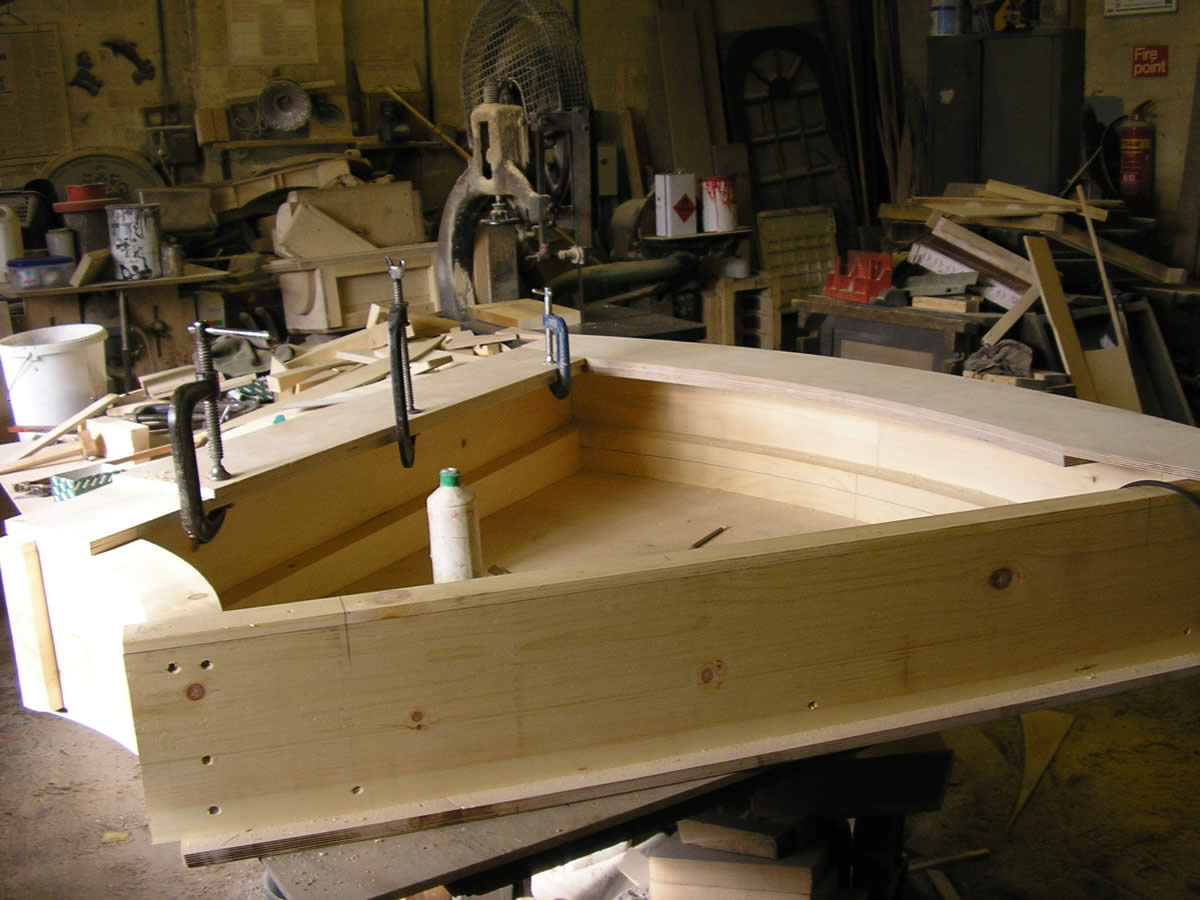
From the CAD model, we manufacture a new pattern — either in wood, resin, or metal — depending on intended usage and volume.
Step 4: Casting and Machining
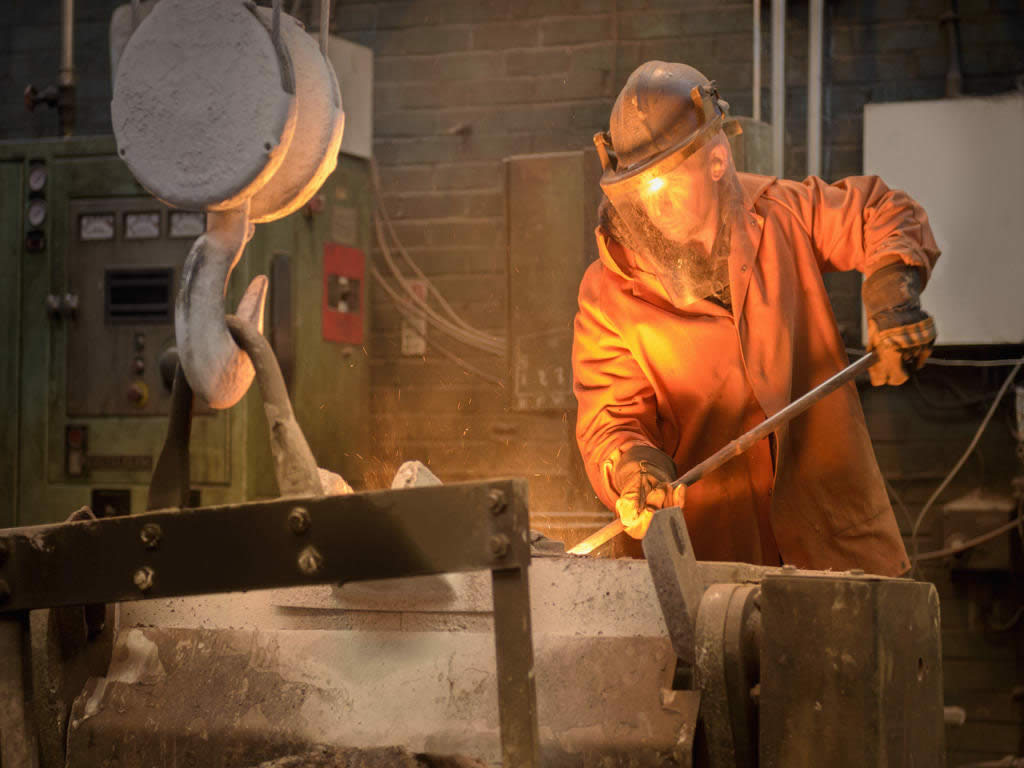
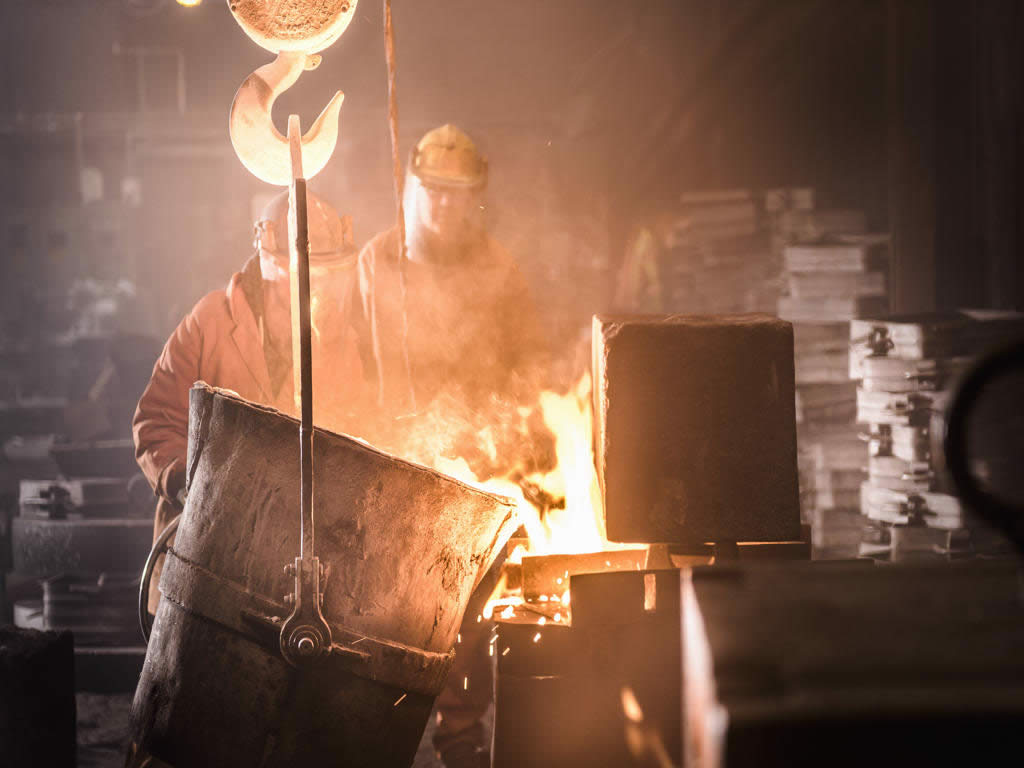
We cast the part using a compatible material (grey or SG iron), then carry out any post-casting machining to restore features like bores, faces, or threaded areas.
Step 5: Final Inspection
Every part is measured and tested to ensure it meets the original spec — or improves upon it, if required.
What We Can Reverse Engineer
We regularly replicate:
- Flanged housings
- Bearing blocks
- Impellers and pump casings
- Brackets and support arms
- Legacy infrastructure fittings
- Custom one-off items for site-specific assemblies
Our in-house machining team ensures that functional surfaces are restored to exact tolerances, even when the original casting was worn or deformed.
Legacy Part Success Stories
A utilities client recently approached us to replicate a set of bearing housings from a discontinued machine. The original supplier had closed, and no drawings existed.
Within 3 weeks, we:
- Scanned the worn housing
- Generated a new CAD model
- Manufactured a short-run pattern
- Delivered fully machined castings
- Enabled the plant to restart production without redesigning the assembly
This approach has saved countless organisations from extended downtime and expensive redesigns — especially in critical industries like water, energy, and heritage conservation.
Long-Term Value: Pattern Storage and Repeat Orders
We store all reverse-engineered patterns on-site, labelled and maintained for future use. This means:
- You can reorder parts without respecifying
- Lead times for future jobs are cut dramatically
- Repeat work benefits from cost reductions and faster turnaround
Whether it’s a one-off or a legacy part needed annually, we’ve got your back.
FAQs
Q1: Can you replicate a broken iron part?
Yes — even if the part is cracked or damaged, we can often scan, model, and recreate it to full working condition.
Q2: What tech is used in reverse engineering?
We use 3D scanning, CAD modelling, and CMM inspection to create accurate digital models from physical parts.
Q3: How do you ensure part accuracy?
We compare scans to intended fits, apply engineering tolerances, and carry out post-casting machining for precise results.
Q4: Do you store patterns for legacy items?
Yes — we store all patterns securely and reuse them for future repeat orders, reducing cost and lead time.
Q5: How quickly can legacy parts be made?
We aim to turn around most reverse-engineered parts in 3–5 weeks, depending on complexity and machining requirements.
Restore Critical Components with Confidence
When drawings are missing and spares don’t exist, Fowler & Holden’s reverse engineering service keeps you moving. Let’s bring your legacy parts back to life.
📞 +44 (0)1472 355 316
📧 info@fowlerandholden.co.uk
🌐 https://fowlerandholden.co.uk