Lead time is one of the most critical factors in any casting project. Delays can impact installation schedules, increase costs, and create knock-on issues across the entire supply chain.
If you are looking for fast iron casting UK solutions, understanding what affects delivery timelines is the first step.
This guide explains how to reduce casting lead time, improve efficiency, and ensure your project is delivered on schedule.
Iron casting lead times can be reduced by improving design readiness, ensuring tooling availability, and working with a responsive UK foundry that controls production and scheduling.
What Causes Delays in Casting Projects?
Before you can reduce lead times, you need to understand where delays occur.
Common Causes of Delay
- Incomplete or unclear design specifications.
- Delays in pattern or tooling production.
- Limited foundry capacity or scheduling issues.
- Complex machining requirements.
- Supply chain disruptions.
Each of these factors can extend the foundry turnaround time and impact delivery.
Design Readiness: The Starting Point
One of the most overlooked causes of delays is poor design preparation.
1. What Design Readiness Means
- Complete technical drawings or CAD files.
- Clear material specifications.
- Defined tolerances and finishes.
When designs are incomplete, projects stall before production even begins.
2. How to Improve Design Readiness
- Finalise specifications before requesting a quote.
- Work with engineers early in the process.
- Avoid last-minute design changes.
Key Insight
Well-prepared designs can significantly reduce project lead times and prevent costly rework.
Tooling Availability and Preparation
Tooling is often the biggest bottleneck in casting timelines.
1. Why Tooling Causes Delays
- Patterns need to be designed and manufactured.
- Complex tooling increases production time.
- Revisions can restart the process.
2. How to Reduce Tooling Delays
- Reuse existing patterns where possible.
- Invest in durable tooling for repeat orders.
- Confirm tooling requirements early.
A clear tooling strategy is essential for rapid casting UK production.
Foundry Scheduling and Capacity
Even with perfect design and tooling, production capacity matters.
1. Factors Affecting Scheduling
- Current workload of the foundry.
- Batch size and production planning.
- Priority of urgent jobs.
2. How to Improve Scheduling Efficiency
- Plan projects in advance where possible.
- Communicate timelines clearly.
- Work with a foundry that offers flexible scheduling.
How We Deliver Faster at Fowler & Holden
Speed is not just about working faster. It is about working smarter.
1. Integrated Capabilities
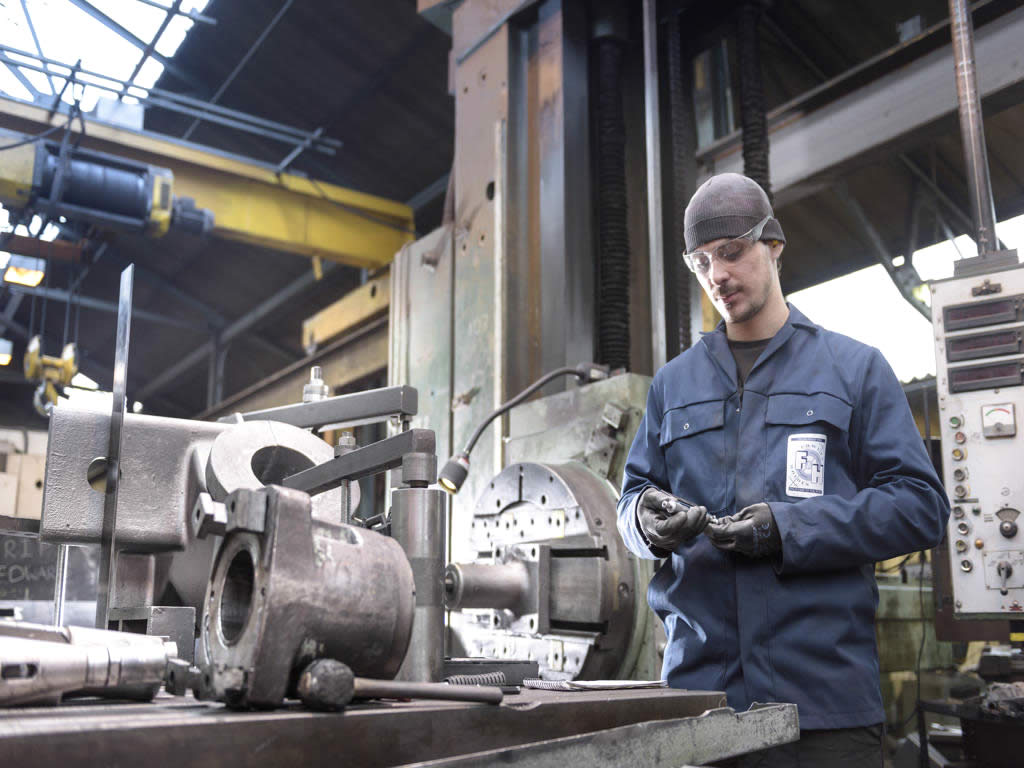
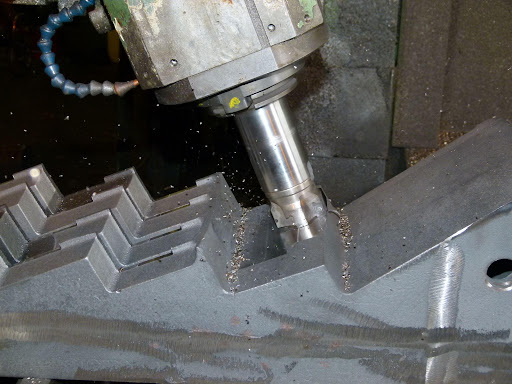
With casting and machining handled in-house, Fowler & Holden reduces delays between production stages.
This eliminates:
- Waiting for subcontractors.
- Miscommunication between suppliers.
- Transport delays between processes.
This integrated approach improves overall turnaround time and reliability.
2. Responsive UK-Based Manufacturing
Working with a UK foundry enables:
- Faster decision-making.
- Direct communication with engineers.
- Reduced logistics delays.
This is a major advantage compared to overseas sourcing.
3. Flexible Production Scheduling
Projects can be prioritised based on urgency, allowing for:
- Fast-track production.
- Shorter lead times for critical components.
- Better alignment with project deadlines.
How to Speed Up Production
If your project is time-sensitive, focus on these areas:
1. Provide Complete Information
Ensure all drawings and specifications are finalised.
2. Confirm Tooling Early
Avoid delays by planning tooling requirements in advance.
3. Choose the Right Foundry
Work with a supplier that offers full-service capabilities.
4. Plan for Machining
Understand which surfaces require finishing to avoid delays later.
Fast-Track Casting: When Speed Is Critical
Some projects cannot wait.
Fast-track solutions are ideal for:
- Urgent repairs.
- Replacement parts.
- Maintenance shutdowns.
What Makes Fast-Track Possible
- Available tooling.
- Flexible scheduling.
- In-house machining.
Working with a responsive foundry ensures these requirements can be met.
Why This Matters
Lead time is not just about speed.
It affects:
- Project timelines.
- Installation schedules.
- Cost efficiency.
- Customer satisfaction.
Reducing delays improves overall project performance and reduces risk.
Internal Insight: Lead Time vs Cost Balance
Faster production may increase cost slightly, but delays often cost far more.
Balancing speed and cost ensures:
- On-time delivery.
- Efficient production.
- Reduced project risk.
FAQs
1. What slows casting projects?
Delays are typically caused by incomplete designs, tooling production, scheduling issues, and complex machining requirements.
2. Can lead times be reduced?
Yes. Lead times can be reduced through better planning, design readiness, and working with an experienced foundry.
3. Do you offer fast-track services?
Yes. Fast-track production can be arranged for urgent projects depending on requirements and availability.
4. What speeds up production?
Complete specifications, ready tooling, and efficient scheduling all help speed up casting production.
5. Can urgent orders be handled?
Yes. UK-based foundries with flexible scheduling can prioritise urgent orders and reduce delivery times.
Request Fast-Track Casting
If your project requires fast iron casting UK services or you need to reduce casting lead time, expert support can make the difference.
Speak to Fowler & Holden to review your requirements and deliver your components on time.
Contact us
Call: +44 (0)1472 355 316
Email: enquiries@fowlerandholden.co.uk