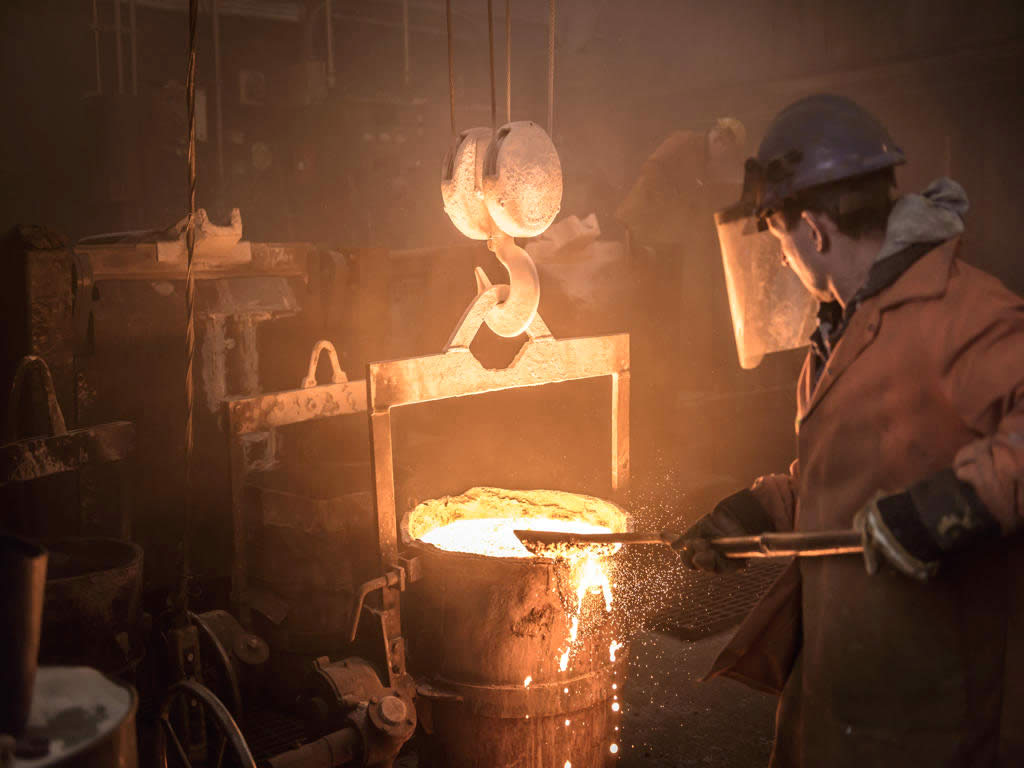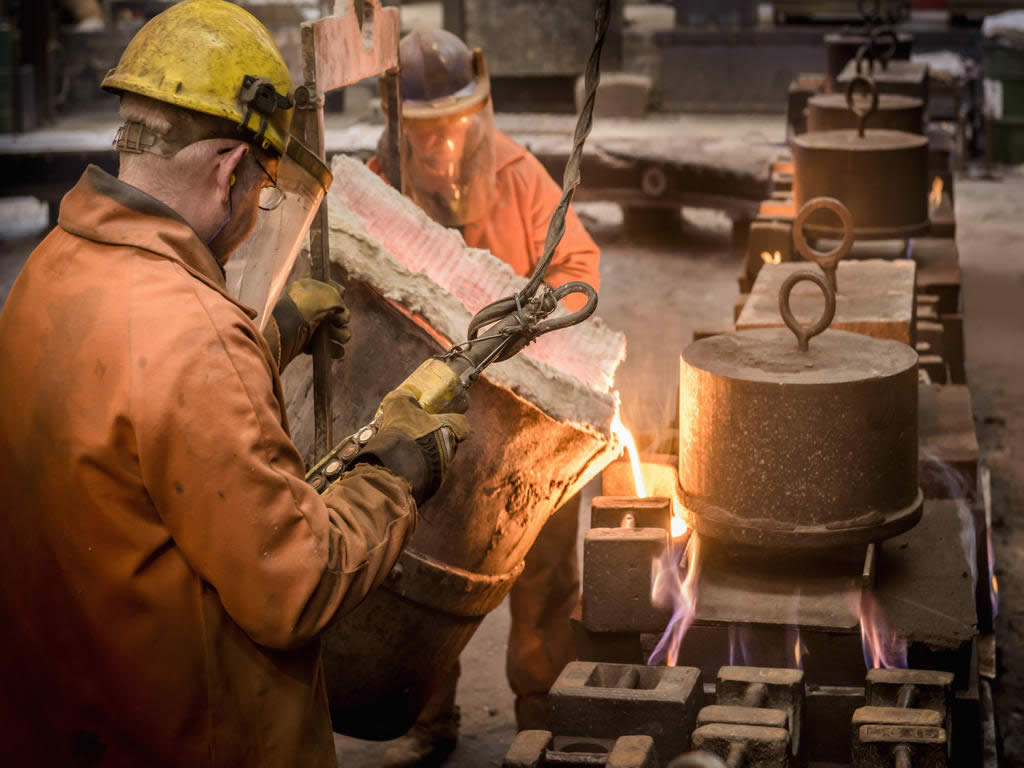
Good casting performance starts long before molten metal enters the mould.
The success of any component depends heavily on the quality of the original design. Poor design choices can lead to defects, weak points, increased machining costs, and production delays.
Effective casting design UK principles improve manufacturability, reduce risk, and ensure components perform reliably in demanding environments.
This guide explains the key principles behind successful iron casting design and how engineering-led design support improves strength, durability, and cost efficiency.
Effective iron casting design improves strength, reduces defects, and lowers production costs by optimising geometry, wall thickness, cooling behaviour, and machining requirements.
Why Casting Design Matters
Iron casting offers significant flexibility, but that flexibility must be engineered correctly.
Well-designed castings provide:
- Improved structural performance.
- Lower production costs.
- Reduced defect risk.
- Faster manufacturing.
- Better long-term durability.
Poorly designed components can result in:
- Distortion during cooling.
- Porosity and shrinkage defects.
- Excessive machining requirements.
- Weak stress points.
The design stage is where many manufacturing problems are either prevented or created.
Core Design Principles for Iron Castings
Successful design for casting focuses on balancing performance with manufacturability.
1. Wall Thickness
Wall thickness is one of the most important factors in casting design.
Why It Matters
Uneven wall sections cool at different rates, increasing the risk of:
- Shrinkage.
- Distortion.
- Internal stress.
Best Practice
- Maintain consistent wall thickness where possible.
- Avoid sudden thickness transitions.
- Use gradual changes in section size.
Key Insight
Uniform wall thickness improves metal flow and cooling consistency, reducing the risk of casting defects.
2. Draft Angles
Draft angles allow patterns to be removed cleanly from the mould without damaging the casting shape.
Benefits of Correct Draft Angles
- Easier mould release.
- Better surface finish.
- Reduced mould damage.
- Improved repeatability.
Insufficient draft can create production issues and increase reject rates.
3. Stress Points and Load Distribution
Sharp corners and abrupt geometry changes create stress concentrations.
Why This Is Important
Stress points increase the risk of:
- Cracking.
- Fatigue failure.
- Reduced lifespan under load.
Best Practice
- Use generous radii where possible.
- Smooth transitions between sections.
- Design with load paths in mind.
Strong castings are designed to distribute stress evenly across the component.
Avoiding Common Design Mistakes
Many casting issues originate during the design phase.
1. Overly Complex Geometry
Complex shapes can:
- Restrict metal flow.
- Create cooling inconsistencies.
- Increase tooling cost.
Simplifying geometry often improves both quality and cost efficiency.
2. Over-Specifying Tolerances
Tighter tolerances increase machining requirements and production cost.
Best Practice
Only specify tight tolerances where functionally necessary.
This reduces:
- Machining time.
- Production cost.
- Lead times.
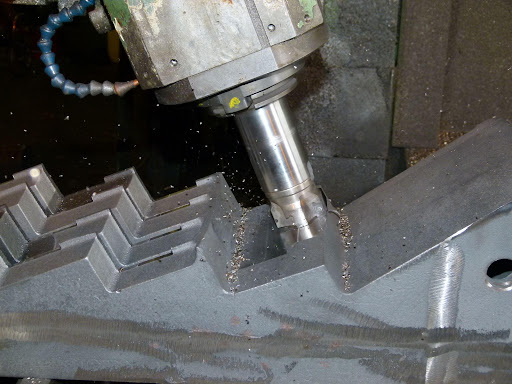
3. Ignoring Machining Requirements
Designs must consider how components will be machined after casting.
Important Considerations
- Tool access.
- Clamping surfaces.
- Datum locations.
Designing without machining in mind often leads to avoidable production challenges.
Engineering Support During Design
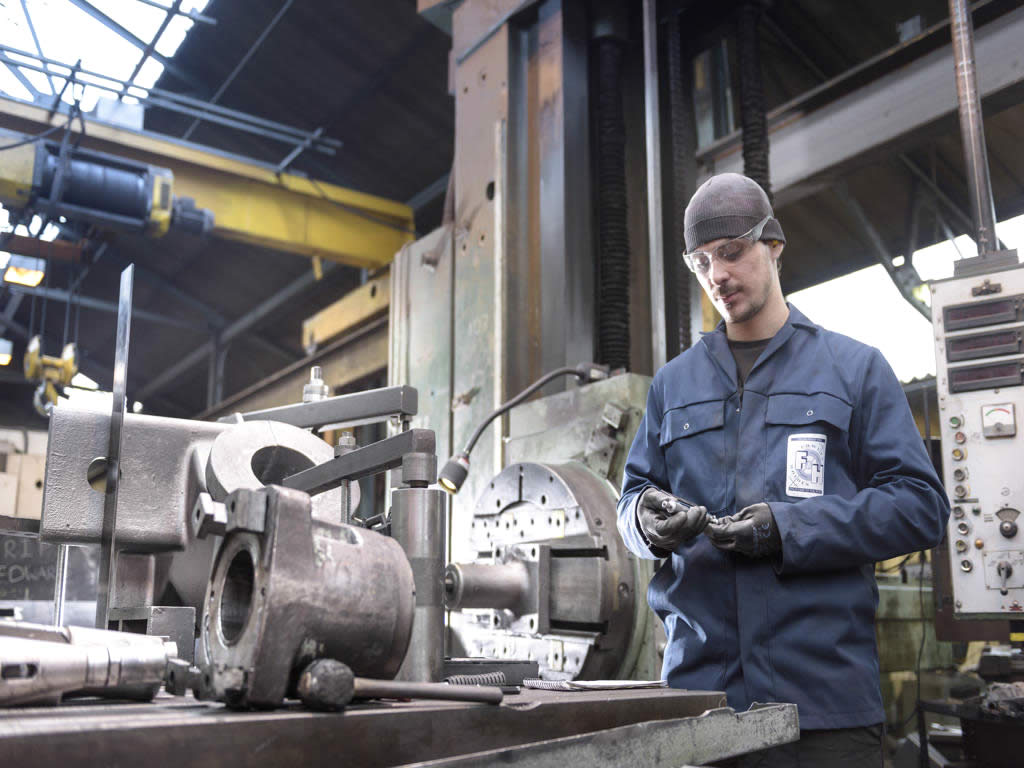
The best results come from collaboration between designers and foundry engineers.
At Fowler & Holden, engineering support helps customers optimise:
- Component geometry.
- Material selection.
- Machining strategy.
- Production efficiency.
This early-stage collaboration improves manufacturability and reduces project risk.
Design for Strength and Durability
Strong castings are not simply “thicker” castings.
Performance comes from intelligent engineering.
Key Factors Affecting Strength
- Material selection.
- Section design.
- Cooling behaviour.
- Load distribution.
A well-designed ductile iron casting can deliver exceptional durability while remaining cost-effective to manufacture.
Material Selection and Design
Different materials behave differently during casting and service life.
Ductile Iron
- High strength.
- Excellent fatigue resistance.
- Suitable for heavy-duty applications.
Grey Iron
- Good vibration damping.
- Excellent machinability.
- Suitable for static load applications.
Selecting the correct material is essential for achieving the desired performance.
Optimising Manufacturability
Good engineering casting design focuses on production efficiency as well as performance.
Optimised Designs Deliver
- Faster production.
- Lower reject rates.
- Reduced machining.
- Lower overall cost.
This is particularly important for repeat production and large-scale manufacturing.
The Role of Pattern Design
Pattern quality directly impacts casting quality.
Accurate patterns improve:
- Dimensional consistency.
- Surface finish.
- Repeatability across batches.
At Fowler & Holden, pattern design is integrated into the wider production process to ensure alignment between tooling, casting, and machining.
Why This Matters Commercially
Poor casting design increases:
- Production cost.
- Lead times.
- Defect rates.
- Project risk.
Investing in proper design support early in the project lifecycle reduces long-term costs and improves reliability.
Internal Insight: Designing for the Entire Lifecycle
The best casting designs consider more than manufacturing.
They also account for:
- Installation.
- Maintenance.
- Service conditions.
- Long-term durability.
Lifecycle-focused design creates stronger, more reliable components with lower total ownership cost.
FAQs
1. What makes a good casting design?
A good casting design balances strength, manufacturability, cooling behaviour, and machining requirements while minimising defects and unnecessary complexity.
2. Can you review drawings before production?
Yes. Fowler & Holden can review drawings and provide design recommendations to improve manufacturability and performance.
3. What causes casting failures?
Common causes include poor geometry, uneven wall thickness, stress concentrations, and inadequate material selection.
4. How can casting strength be improved?
Strength can be improved through better section design, smoother load distribution, appropriate material choice, and controlled cooling.
5. Do you offer engineering support?
Yes. Engineering support is available throughout the design and manufacturing process to optimise quality and performance.
Work With a Good Casting Design
Speak to our team to discuss your project.
Contact us
Call: +44 (0)1472 355 316
Email: enquiries@fowlerandholden.co.uk