Casting vs Fabrication UK and Machining vs Casting
Casting, fabrication, and machining each offer different benefits, with casting best for complex shapes and volume production, fabrication for structural builds, and machining for precision components.
Choosing between casting vs fabrication UK and machining vs casting is one of the most important decisions in any engineering or manufacturing project.
Each method offers distinct advantages in terms of cost, strength, scalability, and design flexibility. Selecting the wrong process can lead to higher costs, longer lead times, and performance issues.
This guide compares the three approaches to help you choose the best manufacturing method for your application.
Key Differences Between Processes
Understanding how each method works is the first step in choosing the right approach.
1. Casting
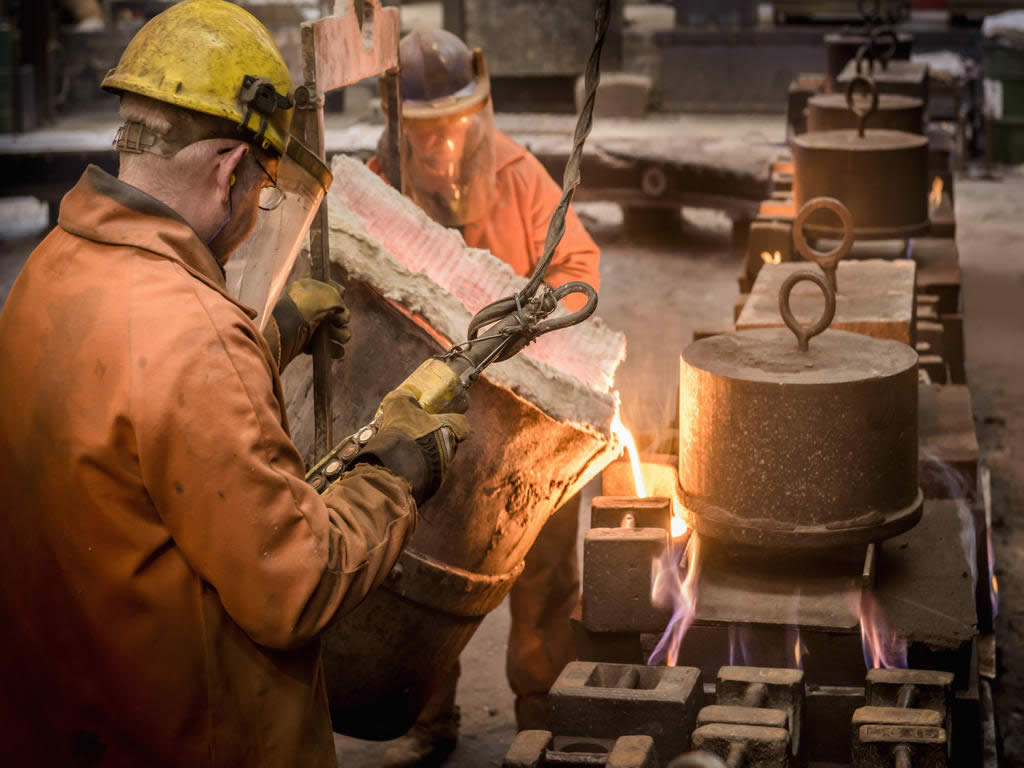
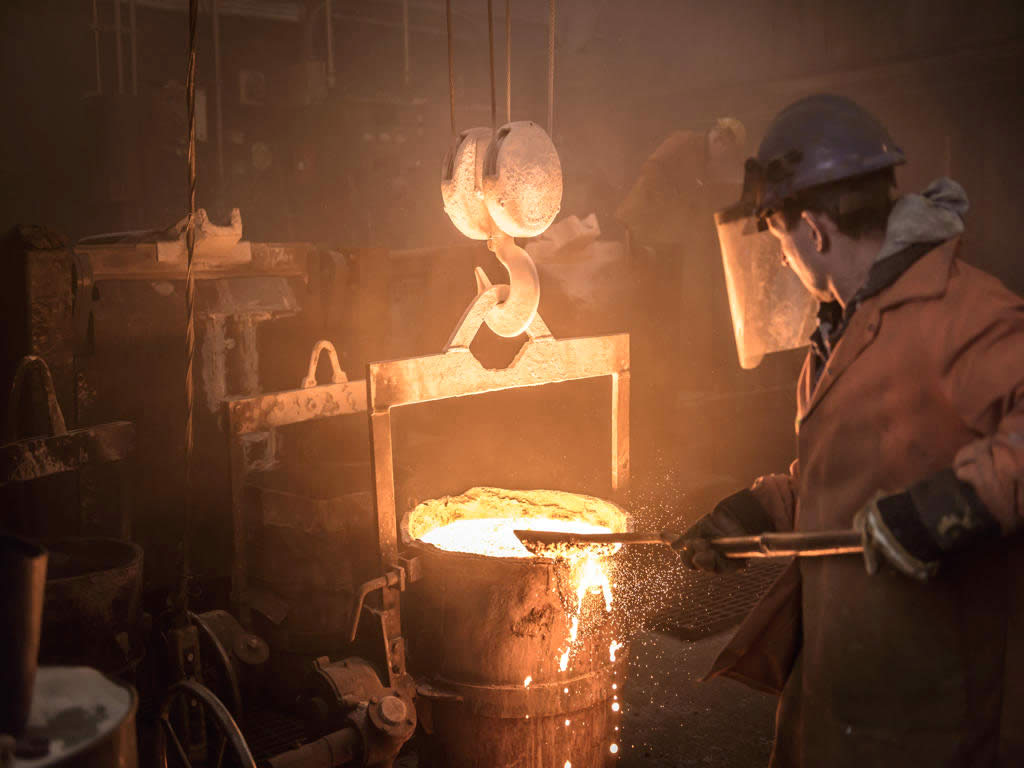
Casting involves pouring molten metal into a mould to create complex shapes.
Best for:
- Complex geometries.
- Medium to high production volumes.
- Repeatable components.
2. Fabrication
Fabrication involves cutting, bending, and welding metal to create a structure.
Best for:
- Large structures.
- Custom one-off builds.
- Simpler geometries.
3. Machining
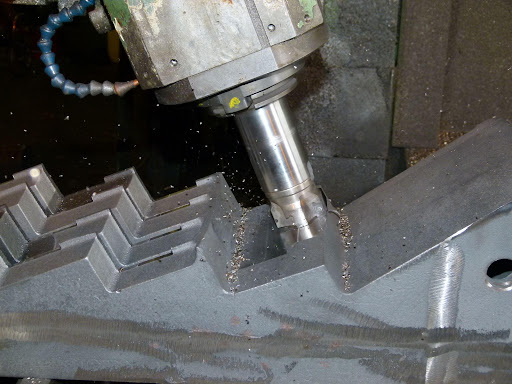
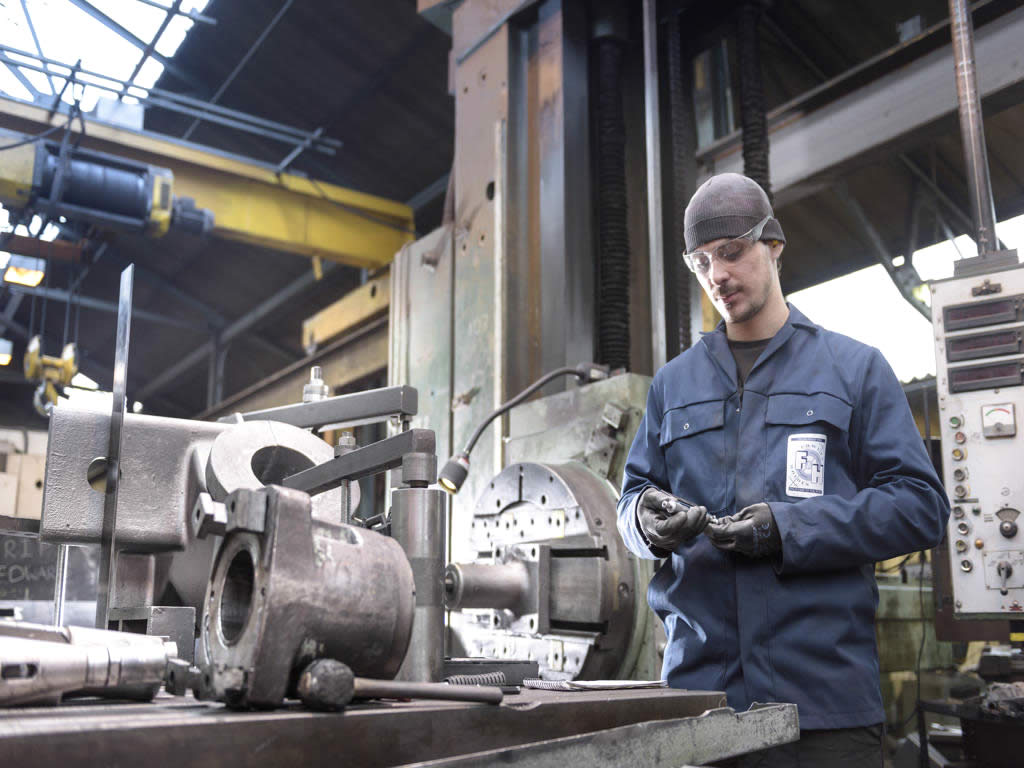
Machining removes material from a solid block using CNC processes.
Best for:
- High precision components.
- Tight tolerances.
- Functional surfaces.
Cost vs Performance Comparison
Understanding fabrication vs casting cost and overall performance is critical.
1. Casting
- Lower cost at higher volumes.
- Initial tooling cost required.
- Cost-effective for repeat production.
2. Fabrication
- Lower upfront cost.
- Higher labour costs.
- Less efficient for repeatability.
3. Machining
- Higher material waste.
- Higher per-unit cost.
- Best for precision parts.
Key Insight
Casting becomes more cost-effective as production volume increases, while machining is typically the most expensive per unit.
Structural Strength Comparison
Strength varies depending on the process and application.
1. Casting
- Excellent for complex load-bearing designs.
- Uniform material properties.
2. Fabrication
- Strength depends on weld quality.
- Suitable for structural frameworks.
3. Machining
- High strength from solid material.
- Ideal for critical precision components.
Production Volume Considerations
Production scale plays a major role in choosing the right process.
1. Low Volume Production
- Fabrication or machining is often more suitable.
- Avoids tooling costs.
2. Medium to High Volume Production
- Casting is typically the most efficient.
- Reduces unit cost.
- Improves repeatability.
Complexity of Design
Design complexity is one of the biggest deciding factors.
1. Casting
- Ideal for intricate shapes.
- Reduces need for assembly.
2. Fabrication
- Limited by cutting and welding processes.
- May require multiple components.
3. Machining
- Limited by tool access.
- Can be costly for complex geometries.
When Casting Is the Best Option
Casting is the preferred choice when:
- You need complex geometries.
- Production volumes are moderate to high.
- Cost efficiency is important.
- Components need to be repeatable.
For many industrial applications, casting provides the best balance between cost, performance, and scalability.
CNC vs Casting UK: When Precision Matters
When comparing CNC vs casting UK, the key difference is precision.
- CNC machining delivers tight tolerances.
- Casting provides shape and efficiency.
- Combined processes offer the best outcome.
Best Practice
Use casting to form the component and machining to refine critical areas.
Can These Processes Be Combined?
Yes, and in many cases they should be.
A common approach is:
- Cast the base component.
- Machine critical surfaces.
- Fabricate additional elements if required.
This hybrid approach delivers:
- Cost efficiency.
- Structural performance.
- Precision where needed.
Why This Matters
Choosing the wrong manufacturing method can result in:
- Increased costs.
- Delays in production.
- Reduced component performance.
Selecting the right process from the outset ensures your project is delivered efficiently and performs as expected.
Internal Insight: Making the Right Decision
There is no single “best” method.
The right choice depends on:
- Design complexity.
- Required tolerances.
- Production volume.
- Budget constraints.
Working with an experienced engineering partner ensures the best solution is selected for your specific application.
FAQs
1. When should I choose casting?
Casting is best for complex shapes, repeat production, and applications where cost efficiency improves with volume.
2. Is machining more expensive?
Yes. Machining typically has a higher per-unit cost due to material waste and processing time, but it delivers higher precision.
3. Which method is strongest?
All methods can deliver strong components. Casting offers uniform strength, fabrication depends on weld quality, and machining uses solid material.
4. Can processes be combined?
Yes. Many projects use casting for shape, machining for precision, and fabrication for assembly.
5. What is best for complex parts?
Casting is usually the best option for complex geometries, especially when combined with machining for critical features.
Speak to Our Engineers About Your Project
If you are unsure whether casting vs fabrication UK OR machining vs casting is right for your project, our team can help you make the best decision.
Speak to Our Engineers Today to discuss your requirements and receive expert guidance.
Contact us
Call: +44 (0)1472 355 316
Email: enquiries@fowlerandholden.co.uk