Casting creates the shape. Machining creates the precision.
For many industrial applications, castings alone are not enough. Components often require machining to achieve critical tolerances, functional surfaces, and assembly accuracy.
Understanding how machined iron castings are produced helps engineers and procurement teams choose the right manufacturing approach for performance, cost, and reliability.
This guide explains how machining works, when it is required, and why integrated casting and machining capability improves project outcomes.
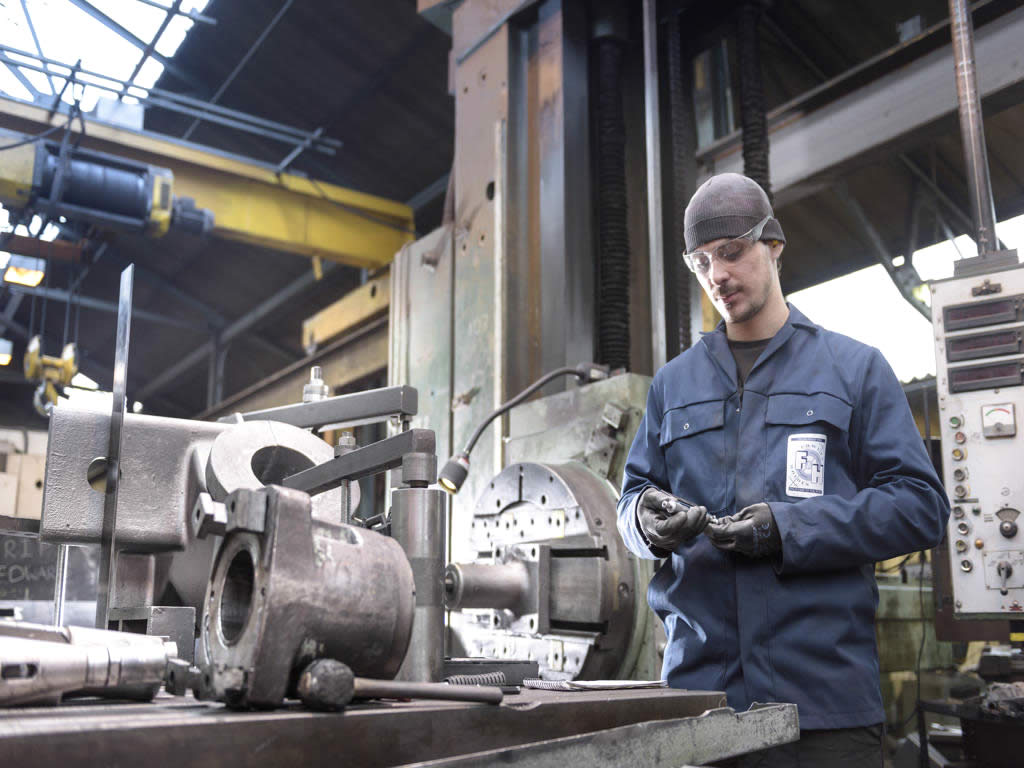
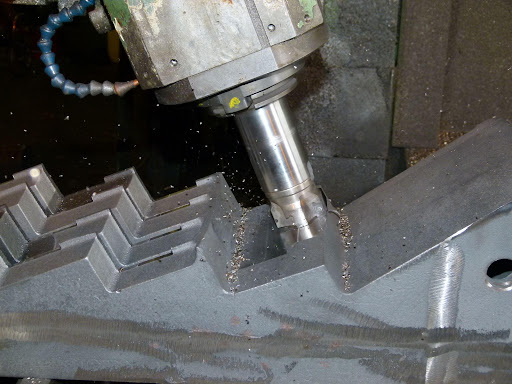
Iron castings are machined using CNC milling, turning, boring, and finishing processes to achieve tight tolerances, precision surfaces, and assembly-ready components.
Why Machining Is Required After Casting
Casting is highly efficient for producing complex shapes, but it does not always achieve the precision required for functional applications.
Machining is used to:
- Improve dimensional accuracy
- Create critical surfaces
- Achieve tighter tolerances
- Prepare parts for assembly
Without machining, many cast components would not meet operational requirements.
What Are Machined Iron Castings?
Machined castings are components that undergo additional processing after casting production.
This combines:
- The efficiency of casting
- The precision of machining
The result is a component that is:
- Structurally strong
- Dimensionally accurate
- Ready for installation or assembly
Tolerance Machining
Many applications require extremely accurate dimensions.
What Tight Tolerances Mean
Tight tolerances ensure:
- Components fit correctly
- Assemblies operate smoothly
- Wear is reduced over time
Surface Finishes and Post-Casting Finishing
Machining also improves surface quality.
Post-Casting Finish Options
- Smooth machined surfaces
- Functional sealing surfaces
- Precision mating faces
Why Surface Finish Matters
Surface finish affects:
- Wear resistance
- Assembly quality
- Operational efficiency
Good finishing improves both performance and appearance.
In-House vs Subcontract Machining
One of the biggest differences between foundries is whether machining is handled internally or outsourced.
Risks of Subcontract Machining
Using multiple suppliers can create:
- Communication issues
- Delays between stages
- Quality control problems
- Increased transport risk
Benefits of In-House Machining
Integrated machining offers:
- Faster turnaround
- Better quality control
- Improved accountability
- More efficient production flow
Fowler & Holden’s in-house machining capability is a key differentiator, helping reduce delays and improve overall project reliability.
Handling Large and Heavy Castings
Large cast components require specialist machining capability.
Challenges of Large Components
- Component handling
- Machine capacity
- Maintaining precision over size
Why Experience Matters
Machining large castings requires:
- Skilled operators
- Robust equipment
- Careful process control
This ensures dimensional accuracy is maintained even on complex heavy engineering projects.
How Fowler & Holden Machines Iron Castings
At Fowler & Holden, machining is integrated into the wider production process.
This allows:
- Better coordination between foundry and machining teams
- Faster issue resolution
- Improved consistency across batches
Integrated Workflow
- Casting production
- Inspection and preparation
- Machining operations
- Finishing and quality checks
This end-to-end process improves both efficiency and quality.
Why This Matters Commercially
Poor machining quality can lead to:
- Assembly failures
- Increased wear
- Costly rework
- Delayed projects
Combining casting and machining expertise under one roof reduces these risks and improves reliability.
Internal Insight: Precision Without Overengineering
Not every surface requires ultra-tight tolerances.
The most efficient approach is to:
- Machine only critical areas
- Balance cost with performance
- Optimise designs for manufacturability
This ensures components meet requirements without unnecessary machining expense.
Request a Machined Casting Quote
If your project requires machined iron castings UK with precision finishing and reliable delivery, Fowler & Holden can support your requirements from casting through to final machining.
Speak to our team today to discuss your project and request a tailored quotation.
FAQs
Do you machine iron castings in-house?
Yes. Fowler & Holden offers integrated in-house machining capability alongside foundry production.
What machining services do you offer?
Services include CNC milling, turning, bore machining, drilling, tapping, and finishing operations.
Can parts be fully finished before delivery?
Yes. Components can be supplied fully machined and ready for installation or assembly.
Do you handle large castings?
Yes. Fowler & Holden supports machining for both small precision components and large heavy engineering castings.