Iron casting tolerances depend on process type, design complexity, and material behaviour, with tighter accuracy achieved through CNC machining and finishing processes
Understanding casting tolerances UK is essential when specifying components for engineering, infrastructure, or industrial applications.
While iron casting is highly versatile and cost-effective, it is not always a precision-first process. However, when combined with machining and finishing, precision iron casting UK solutions can meet tight tolerances required for demanding applications.
This guide explains what tolerances you can expect, what influences accuracy, and how to achieve the best results for your project.
Understanding As-Cast vs Machined Tolerances
1. As-Cast Tolerances
As-cast components are produced directly from the mould and typically offer:
- Moderate dimensional accuracy.
- Variations due to shrinkage and cooling.
- Suitable tolerances for non-critical surfaces.
These tolerances are influenced by the casting process and are ideal where extreme precision is not required.
2. Machined Tolerances
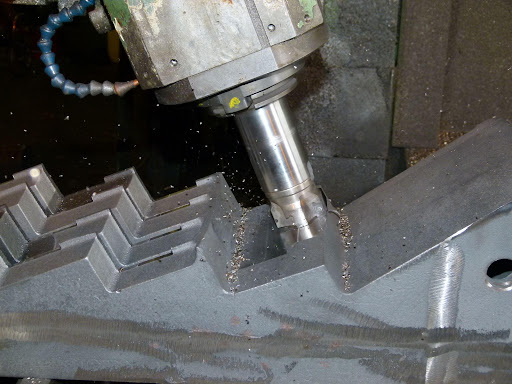
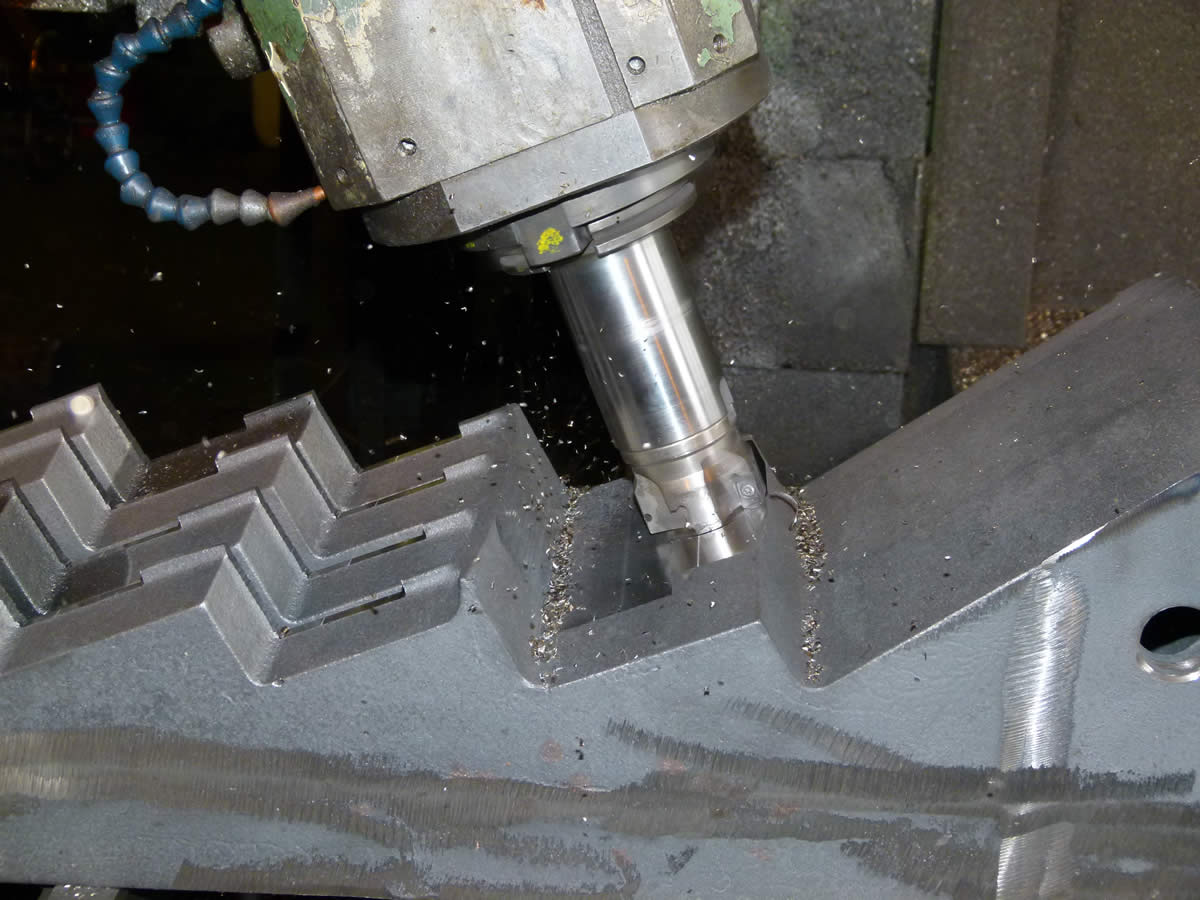
When tighter tolerances are needed, machining is applied after casting.
This allows for:
- High precision on critical dimensions.
- Improved surface finish.
- Better alignment for assembly.
Machined castings tolerance is significantly tighter than as-cast tolerances and is essential for components with functional requirements.
What Influences Iron Casting Accuracy?
Several factors determine iron casting accuracy and achievable tolerances.
1. Pattern Accuracy
The pattern defines the initial shape of the casting. Any inaccuracies at this stage will carry through to the final component.
High-quality pattern design improves:
- Dimensional consistency.
- Repeatability.
- Overall casting performance.
2. Shrinkage and Cooling
Iron contracts as it cools, which affects final dimensions.
This is managed through:
- Allowances built into the pattern.
- Controlled cooling processes.
- Foundry expertise.
Understanding shrinkage is critical to achieving reliable casting tolerances UK.
3. Design Complexity
Complex geometries can introduce:
- Distortion risks.
- Uneven cooling.
- Increased variation.
Simplifying designs where possible improves both accuracy and cost efficiency.
Post-Casting Machining and CNC Finishing
To achieve high precision, most components require CNC finishing castings processes.
1. Common Machining Operations
- Milling.
- Turning.
- Drilling and boring.
- Surface finishing.
These processes refine the casting to meet exact specifications.
2. When Machining Is Required
Machining is essential when:
- Tight tolerances are specified.
- Surfaces must align with other components.
- Functional performance depends on precision.
Combining casting with machining delivers the best balance between cost and accuracy.
How We Achieve Precision Iron Castings
At Fowler & Holden, achieving precision iron casting UK standards involves:
- High-quality pattern design.
- Controlled casting processes.
- In-house machining capabilities.
- Rigorous inspection and quality control.
This integrated approach ensures consistent, reliable results across both small and large production runs.
Typical Tolerances You Can Expect
While tolerances vary depending on the project, general guidance includes:
- As-cast: suitable for non-critical dimensions.
- Machined: suitable for tight tolerance applications.
The exact tolerances will depend on:
- Component size.
- Material.
- Design complexity.
- Machining requirements.
Working with an experienced foundry ensures realistic and achievable tolerances are specified from the outset.
How to Improve Casting Accuracy
If your project requires higher precision, consider:
- Designing with machining in mind.
- Avoiding unnecessary complexity.
- Specifying tolerances only where required.
- Working closely with your foundry during design.
Why This Matters
Over-specifying tolerances can:
- Increase cost unnecessarily.
- Extend lead times.
- Add machining requirements.
The right balance ensures performance without overengineering.
Large Castings vs Small Components
Accuracy expectations differ depending on size.
1. Small Castings
- Easier to control tolerances.
- Higher precision achievable.
2. Large Castings
- Greater variation due to cooling.
- More reliance on machining.
Understanding this helps set realistic expectations during specification.
Internal Insight: Cost vs Precision Trade-Off
Higher precision always comes at a cost.
Projects should focus on:
- Tight tolerances only where functionally required.
- Standard tolerances elsewhere.
This approach delivers optimal performance without unnecessary expense.
FAQs
1. What tolerances can iron casting achieve?
Iron casting can achieve moderate tolerances as-cast, with much tighter tolerances possible through machining and CNC finishing.
2. When is machining required?
Machining is required when tight tolerances, precise surfaces, or assembly-critical dimensions are needed.
3. How accurate are large castings?
Large castings typically have wider tolerances due to cooling and shrinkage, but machining can improve precision.
4. Can tolerances be improved?
Yes. Tolerances can be improved through better pattern design, controlled processes, and post-casting machining.
Do you guarantee tolerances?
Yes. Tolerances are agreed during the quotation and specification stage, ensuring they meet your project requirements.
Submit Your Drawing for a Precision Quote
If your project requires precision iron casting UK solutions with defined tolerances, our team can help you achieve the right balance of cost and accuracy.
Submit Your Drawing Today to receive a tailored quote and expert guidance.
Contact us
Call: +44 (0)1472 355 316
Email: enquiries@fowlerandholden.co.uk