Building Durable Infrastructure with Responsible Manufacturing
Sustainability is no longer a future ambition. It is a present requirement. Across infrastructure, transport and energy sectors,
clients are asking a simple question: how sustainable is your supply chain?
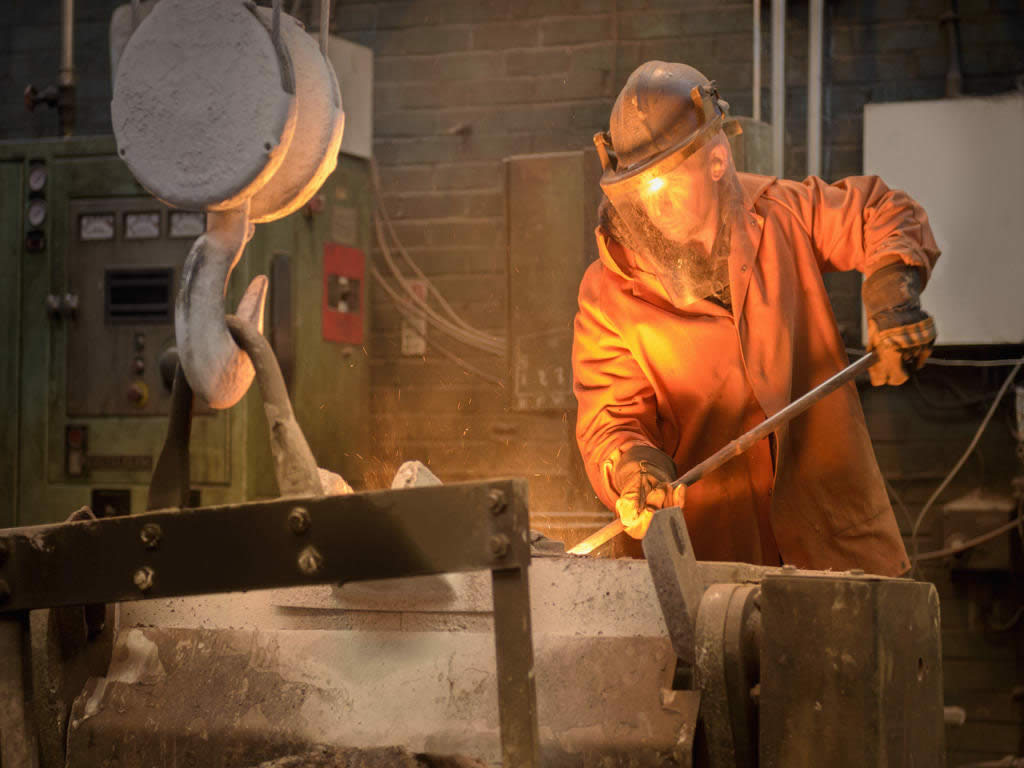
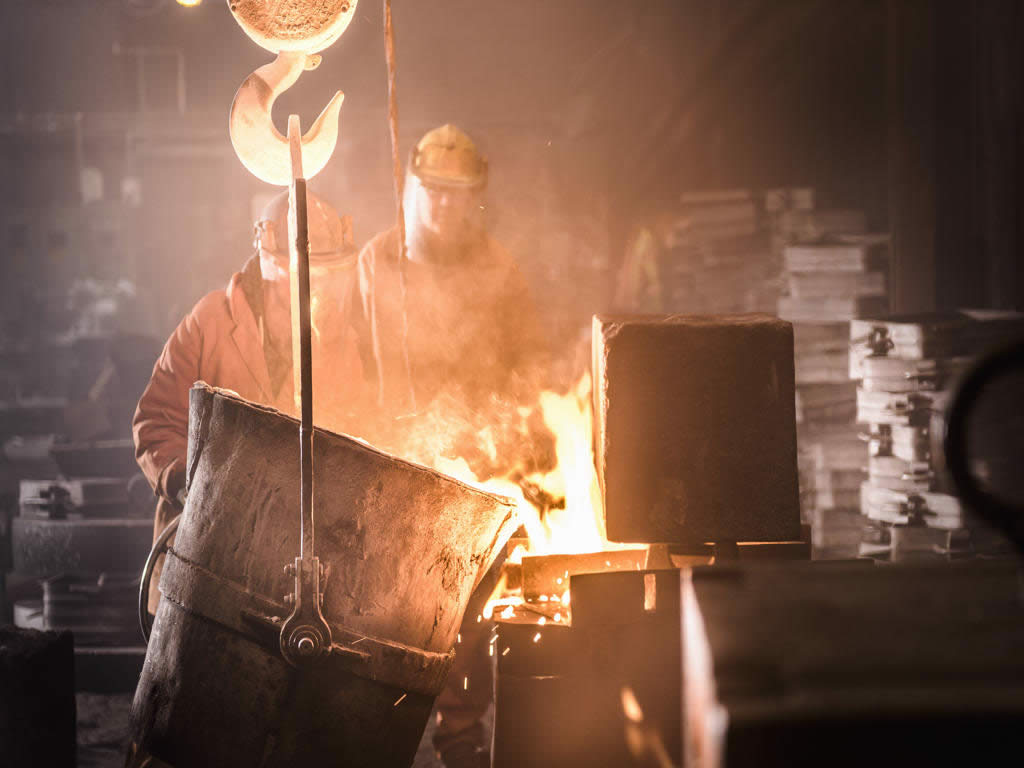
Iron casting is often misunderstood as energy intensive and outdated. In reality, modern foundry processes are evolving rapidly. Responsible material sourcing, reclaimed sand systems and efficient energy use are reshaping the industry.
At Fowler & Holden, sustainability is not a marketing statement. It is part of how we operate as a sustainable foundry UK supplier, supporting long-life infrastructure with responsible manufacturing practices.
What Sustainability Means in Foundry Work
Sustainability in iron casting focuses on three key areas:
- Efficient material usage.
- Energy management.
- Supply chain responsibility.
Unlike disposable manufacturing sectors, cast iron components are built to last decades. Longevity itself is a form of sustainability. Infrastructure castings that remain in service for 30 or 40 years reduce replacement frequency and material waste.
Our approach combines durability with responsible production methods.
Recycling and Reclaimed Sand Casting
One of the most sustainable aspects of modern foundry work is material reuse.
Iron itself is fully recyclable. Scrap iron can be melted and reused repeatedly without significant degradation in performance. This closed-loop capability reduces raw material extraction.
We also use reclaimed sand systems where possible. After casting, sand is processed, filtered and reused within the production cycle. This reduces landfill waste and minimises raw sand consumption.
Reclaimed sand casting improves environmental efficiency while maintaining casting quality.
Energy Efficient Foundry Operations
Energy usage is a key consideration in casting operations.
We focus on:
- Optimised melting schedules.
- Efficient furnace management.
- Process control to reduce rework.
- Reduced scrap rates through quality control.
Lower defect rates mean less re-melting and lower overall energy consumption. Continuous process refinement helps us reduce unnecessary energy usage while maintaining casting performance.
As a UK-based foundry, we also operate under strict environmental regulations, ensuring responsible emissions management.
Carbon Reduction Through Local Supply Chains
Local sourcing plays a major role in reducing carbon footprint.
Choosing a UK iron foundry instead of overseas production helps reduce:
- Long-distance shipping emissions.
- Transport delays.
- Packaging waste from extended supply routes.
We work with UK contractors and infrastructure providers to deliver castings without international freight exposure. This shortens logistics chains and supports domestic manufacturing resilience.
Local sourcing castings is not only commercially sensible. It is environmentally responsible.
Designing for Longevity
A key but often overlooked element of sustainability is product lifespan.
Cast iron components are specified in projects where long-term durability is essential. Whether used in drainage systems, bridges, marine environments or rail infrastructure, well-designed castings reduce maintenance cycles and minimise replacement frequency.
We support engineers in selecting materials and finishes that extend service life, balancing cost, durability and environmental performance.
Our Commitments as a Responsible UK Foundry
At Fowler & Holden, we are committed to:
- Responsible material sourcing.
- Maximising recyclable content.
- Reducing waste through process optimisation.
- Supporting UK infrastructure with local production.
- Continuous improvement in operational efficiency.
Sustainability is not achieved through one change. It is built through ongoing refinement.
The Future of Sustainable Iron Casting
The UK manufacturing sector is moving toward:
- Increased energy efficiency.
- Smarter process monitoring.
- Improved material recovery systems.
- Greater transparency in carbon reporting.
As infrastructure projects demand clearer environmental accountability, foundries must demonstrate measurable responsibility.
We continue to refine our operations to align with these expectations while maintaining the engineering standards our clients rely on.
FAQs
1. How sustainable is your foundry process?
We focus on material recycling, reclaimed sand systems, efficient melting operations and local supply chains to reduce environmental impact.
2. Do you use reclaimed materials?
Yes. Iron is recyclable, and we reuse reclaimed sand within our casting processes wherever possible.
3. What steps reduce your carbon footprint?
We minimise transport distances, optimise energy usage and reduce scrap through strong quality control.
4. Is local sourcing part of your strategy?
Yes. As a UK-based foundry, we support domestic supply chains and reduce overseas shipping emissions.
5. Are your castings energy efficient?
Cast iron components are durable and long-lasting. Their longevity reduces replacement frequency and overall lifecycle energy use.
Download Our Iron Casting RFQ Checklist
If sustainability is part of your project criteria, ensure your RFQ includes material and lifecycle expectations.
Download our Checklist To prepare your enquiry correctly.
Partner With a Responsible UK Iron Foundry
Sustainable infrastructure starts with responsible manufacturing.
Contact us
Call: +44 (0)1472 355 316
Email: enquiries@fowlerandholden.co.uk