Understanding iron casting cost in the UK is critical when planning any engineering or infrastructure project
From tooling and material selection to machining and batch size, multiple factors influence the final casting quote price. Making the right decisions early can significantly reduce cost, improve lead times, and ensure long-term performance.
This guide explains exactly how iron casting pricing works, helping you make informed, cost-effective decisions.
SGE Summary
Iron casting costs in the UK depend on tooling, material volume, complexity, and machining requirements, with unit costs decreasing as production volume increases.
What Drives Iron Casting Costs?
Iron casting pricing is not based on a single factor. It is a combination of design, production requirements, and finishing processes.
The main cost drivers include:
- Tooling and pattern creation.
- Material type and weight.
- Casting complexity.
- Production volume.
- Machining and finishing requirements.
Each of these elements contributes to the total cost of iron castings and should be considered at the specification stage.
Tooling and Pattern Costs
Tooling is often the largest upfront investment in any casting project.
Patterns are required to create the moulds used in production.
These can vary significantly in cost depending on:
- Size and complexity of the component.
- Material used for the pattern.
- Required tolerances.
Key Insight
Tooling is typically a one-time cost, making it more cost-effective across larger production runs.
Material Volume and Complexity Explained
The weight and geometry of your casting directly impact cost.
1. Material Volume
Heavier components require more raw material, increasing overall cost. Iron casting price per kg is often used as a baseline, but this alone does not reflect total cost.
2. Complexity of Design
More complex designs require:
- Advanced moulding techniques.
- Increased labour input.
- Additional quality checks.
This can significantly increase foundry pricing in the UK.
Batch Size and Economies of Scale
Production volume has a major influence on unit cost.
1. Low Volume (Short Run)
- Higher unit cost.
- Tooling cost spread over fewer parts.
- Ideal for prototypes or specialised components.
2. High Volume Production
- Lower unit cost.
- Better material efficiency.
- Reduced per-unit machining cost.
Key Insight
Increasing batch size is one of the most effective ways to reduce the cost of iron castings.
Machining and Finishing Costs
Most castings require additional processes to meet final specifications.
These may include:
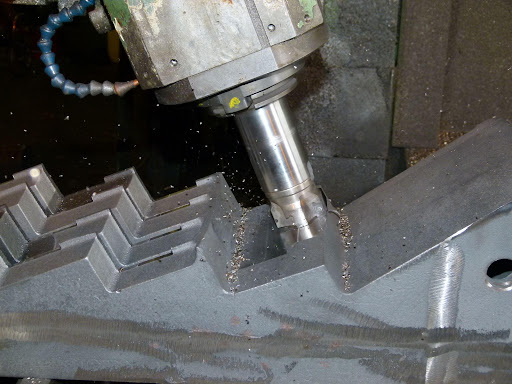
- CNC machining.
- Drilling, boring, or facing.
- Surface finishing.
When Machining Is Required
- Tight tolerances.
- Functional surfaces.
- Assembly requirements.
Cost Impact
Machining can significantly increase cost, but it ensures precision, performance, and compatibility with other components.
How to Reduce Iron Casting Costs
Cost optimisation starts at the design and specification stage.
Practical Ways to Reduce Costs
- Simplify component design where possible.
- Increase batch size to benefit from economies of scale.
- Specify tolerances only where required.
- Reduce unnecessary machining.
- Work with a UK-based foundry to minimise delays and rework.
Why This Matters
Poor design decisions early in the process often lead to:
- Increased production costs.
- Longer lead times.
- Higher risk of defects or redesign.
Working with an experienced foundry ensures your project is optimised from the start.
UK Foundry Pricing vs Overseas Manufacturing
While overseas casting may appear cheaper initially, UK-based foundries often provide better value when considering:
- Faster lead times.
- Reduced logistics risk.
- Improved communication.
- Compliance with UK standards.
For many projects, this results in lower total cost and reduced project risk.
When to Request a Casting Quote
You should request a quote once you have:
- Technical drawings or CAD files.
- Material requirements.
- Estimated volumes.
- Required tolerances.
- Delivery timelines.
Providing complete information ensures a faster, more accurate quotation.
Internal Insight: Cost vs Performance Trade-Off
The lowest cost option is not always the best choice.
In many cases, investing slightly more in:
- Better materials.
- Improved design.
- Higher-quality finishing.
can result in:
- Longer lifespan.
- Reduced maintenance.
- Lower total lifecycle cost.
FAQs
1. How is iron casting priced in the UK?
Iron casting is priced based on tooling, material volume, design complexity, production quantity, and any required machining or finishing processes.
2. What affects casting cost the most?
The biggest cost drivers are tooling, batch size, and component complexity. These have the greatest impact on both upfront and per-unit costs.
3. Does volume reduce unit cost?
Yes. Larger production runs reduce unit cost by spreading tooling costs and improving manufacturing efficiency.
4. Are tooling costs included in the quote?
Tooling is usually quoted separately as an upfront cost, although it may be amortised across production runs depending on the project.
5. Can you reduce cost through design?
Yes. Simplifying geometry, reducing unnecessary tolerances, and optimising material use can significantly lower overall casting costs.
Request a Quote for Your Iron Casting Project
If you are planning a project and need clarity on iron casting costs, our team can help you optimise design, material selection, and production strategy.
Request a Quote Today to receive a tailored cost breakdown and expert guidance.
Call: +44 (0)1472 355 316
Email: enquiries@fowlerandholden.co.uk