Common Iron Casting Defects and How to Avoid Them
When you’re sourcing iron castings, defects are not just a technical issue. They directly impact cost, lead time, and project risk.
The difference between a reliable supplier and a risky one often comes down to how defects are prevented, not just fixed.
At Fowler & Holden, quality is controlled at every stage of the process. From pattern making through to machining, the goal is simple: deliver castings that meet specification first time.
Understanding the most common defects helps you specify better, reduce risk, and choose the right foundry partner.
Most Common Iron Casting Defects
Porosity
Porosity is one of the most common casting defects. It appears as small holes or voids within the metal and is typically caused by trapped gas during solidification.
Why it matters:
- Reduces structural integrity
- Causes leakage in pressure applications
- Leads to machining failures
Typical causes:
- Poor mould design
- Inadequate venting
- Incorrect pouring temperature
Shrinkage Defects
Shrinkage occurs as molten metal cools and contracts. If not properly managed, this results in internal voids or surface depressions.
Why it matters:
- Weakens load-bearing components
- Affects dimensional accuracy
- Leads to premature failure
Typical causes:
- Improper feeding systems
- Poor riser design
- Uneven cooling rates
Surface Defects
Surface defects include rough finishes, cracks, inclusions, or sand adhesion.
Why it matters:
- Impacts final machining
- Affects coating or finishing processes
- Reduces perceived quality
Typical causes:
- Low-quality mould materials
- Contaminated metal
- Poor handling during casting
Root Causes Explained
Most casting defects don’t happen randomly. They are usually the result of three core issues:
- Poor Pattern Design
If the pattern is inaccurate, every casting produced from it will carry the same issues. This is why in-house pattern making is critical for quality control. - Process Control Failures
Temperature, pouring speed, and mould conditions must be tightly controlled. Small variations can create large defects. - Lack of Inspection
Without proper inspection and testing, defects are only discovered after delivery or during machining, which increases cost and delays.
How Fowler & Holden Prevents Casting Defects
The real difference in quality comes from prevention, not correction.
Integrated Pattern Making
Patterns are designed and produced with accuracy in mind, ensuring consistency across batches and reducing repeat defects.
Controlled Foundry Processes
Every stage of the casting process is monitored, including:
- Mould preparation
- Metal composition
- Pouring conditions
- Cooling cycles
This level of control significantly reduces the risk of porosity and shrinkage.
In-House Machining Capability
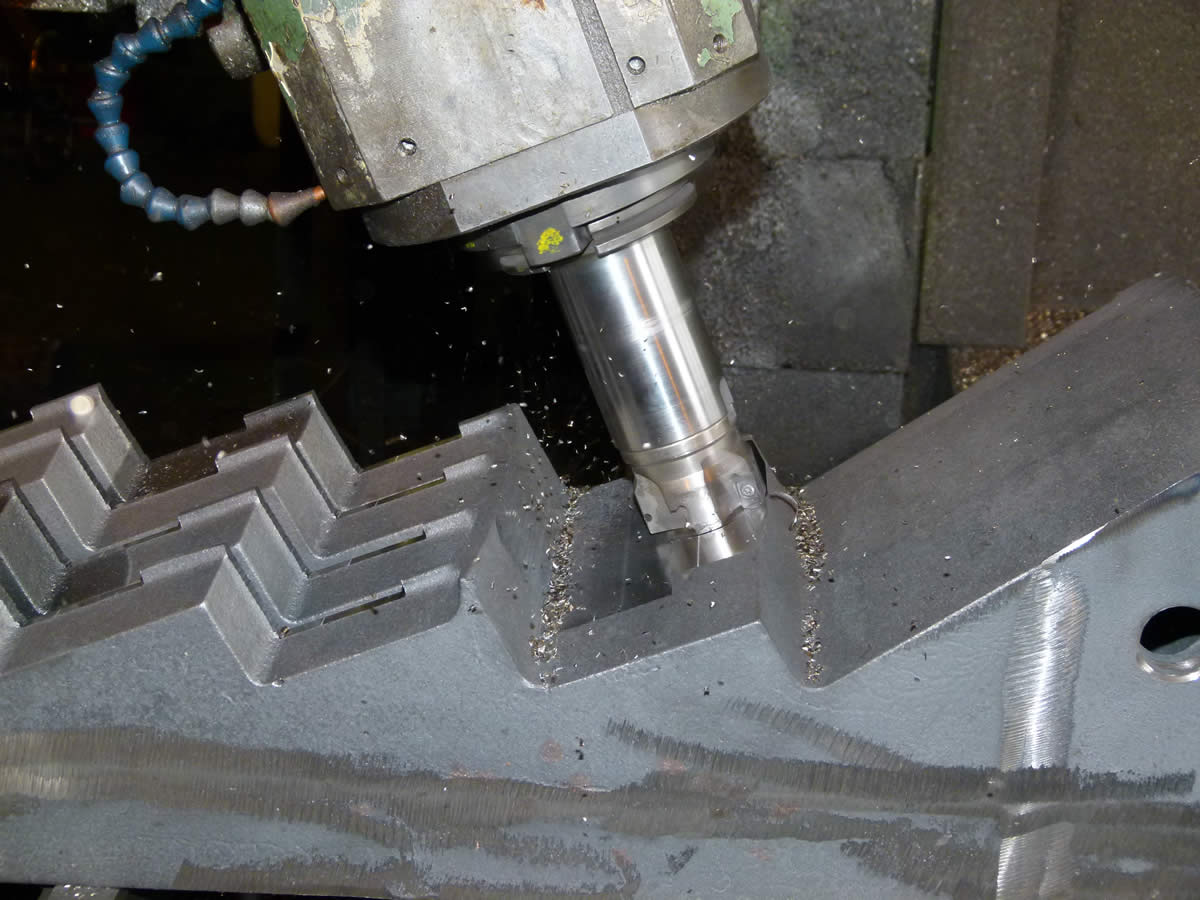
Because machining is handled alongside casting, defects are identified early and corrected before delivery.
This integrated approach is a key advantage, reducing the risk of disputes between suppliers and improving overall quality control.
Inspection and Quality Checks
Each casting is assessed against specification, ensuring:
- Dimensional accuracy
- Structural integrity
- Surface finish suitability
How to Reduce Defects in Your Casting Project
If you want to improve casting quality and reduce costs, focus on these areas:
Provide Clear Specifications
Include:
- Material grade
- Tolerances
- Surface finish requirements
Engage Early with the Foundry
Early collaboration allows design improvements that reduce defect risk before production begins.
Choose a Foundry with Full Capability
Working with a supplier that offers casting, pattern making, and machining under one roof reduces risk and improves accountability.
Why Defect Prevention Matters Commercially
Defects are not just a production issue. They directly impact:
- Project timelines
- Cost of rework or scrap
- Supplier reliability
- End product performance
Choosing a foundry that prioritises quality control helps avoid these risks and ensures your components perform as expected.
With over a century of experience and integrated capabilities, Fowler & Holden supports projects from concept through to finished, machined components
Improve Casting Quality Today
If you are experiencing issues with casting defects or want to reduce risk in your next project, working with an experienced UK foundry makes a measurable difference.
Speak to the team at Fowler & Holden to review your design, improve quality, and deliver reliable castings on time.
FAQs
What causes porosity in iron castings?
Porosity is caused by trapped gas during solidification, often due to poor venting, incorrect temperatures, or mould design issues.
Can casting defects be prevented?
Yes. With proper pattern design, controlled processes, and quality inspection, most casting defects can be prevented rather than corrected.
How do you ensure casting quality?
Quality is ensured through controlled foundry processes, in-house pattern making, machining, and inspection at every stage.
What inspections are done on castings?
Castings are checked for dimensional accuracy, structural integrity, and surface quality before delivery or machining.
Can defective castings be repaired?
Some defects can be repaired through machining or welding, but prevention is always more cost-effective and reliable.