Choosing the Right Iron Grade for Performance and Value
Selecting the correct material is one of the most important decisions in any iron casting project. The right grade ensures durability, performance and cost efficiency. The wrong choice can lead to premature wear, cracking or unnecessary expense.
At Fowler & Holden, we support engineers and procurement teams in choosing the correct iron grade casting for each application. Whether you require grey iron, SG iron or a corrosion-resistant solution, we provide guidance grounded in real-world manufacturing experience.
This guide explains the key material options and when to use them.
SG Iron vs Grey Iron: Understanding the Difference
The most common question in casting projects is whether to use ductile iron or grey iron.
1. Grey Iron
Grey iron contains flake graphite within its structure.
It offers:
- Excellent vibration damping.
- High compressive strength.
- Good machinability.
- Cost efficiency.
It is commonly used for:
- Machine bases.
- Drainage components.
- Housings.
- Structural frames.
- Non-impact infrastructure parts.
Grey iron performs well where static load and stability matter more than tensile strength.
2. SG Iron (Ductile Iron)
SG iron, also known as spheroidal graphite iron, contains nodular graphite. This structure significantly improves tensile strength and elongation.
Benefits include:
- Higher tensile strength.
- Greater ductility.
- Improved impact resistance.
- Better fatigue performance.
SG iron is ideal for:
- Structural brackets.
- Load-bearing components.
- Infrastructure parts under dynamic load.
- Heavy-duty engineering applications.
When comparing ductile vs grey iron UK applications, SG iron is typically chosen where strength and flexibility are critical.
3. EN-GJS Grades Explained
SG iron is often specified under EN-GJS grades. These define tensile strength and elongation.
For example:
- EN-GJS-400-15 offers good ductility.
- EN-GJS-500-7 provides higher strength with moderate elongation.
- EN-GJS-600 and above are used for heavier-duty applications.
Choosing the correct EN-GJS grade depends on load conditions, safety factors and environmental exposure.
Our engineering team helps ensure you avoid over-specifying or under-specifying material grades.
When to Use Nickel Alloys and Corrosion-Resistant Castings
In marine, coastal and certain infrastructure environments, corrosion becomes a key concern.
Nickel alloy or enhanced corrosion-resistant castings may be suitable when components are exposed to:
- Saltwater.
- High humidity.
- Chemical environments.
- Wastewater systems.
These materials offer improved durability but come at a higher cost. Therefore, they should be selected based on lifecycle requirements, not just initial conditions.
We support clients in assessing whether the additional investment is justified.
Mechanical Properties: Why They Matter
Material selection should always begin with mechanical performance requirements.
Key considerations include:
- Tensile strength.
- Yield strength.
- Elongation.
- Hardness.
- Fatigue resistance.
- Wear characteristics.
Understanding how the component will function in service allows us to recommend the right solution.
For example:
- A drainage frame may prioritise compressive strength.
- A bracket subject to vibration may require higher ductility.
- A marine component may need enhanced corrosion resistance.
Cost vs Performance: Finding the Right Balance
Higher-grade materials are not always better. They often increase cost without delivering additional value if the application does not demand it.
At Fowler & Holden, we advise clients on achieving the correct balance between:
- Material cost.
- Manufacturing complexity.
- Machinability.
- Service life expectations.
This approach ensures your casting performs reliably while remaining commercially efficient.
Common Applications by Material Type
Grey iron is often best suited to:
- Drainage systems.
- Machine frames.
- Covers and housings.
- Structural support with low impact.
SG iron is typically used for:
- Load-bearing infrastructure.
- Heavy-duty brackets.
- Rail and transport components.
- Renewable energy infrastructure parts.
Nickel-enhanced or corrosion-resistant grades are ideal for:
- Marine installations.
- Coastal infrastructure.
- Chemical processing environments.
If you are unsure, our team can review your drawings and provide material recommendations before quoting.
Engineering Support from Specification to Production
Choosing the correct iron grade is not simply about selecting from a list. It involves understanding how casting design, machining, tolerances and environment interact.
We provide:
- Design-for-manufacture advice.
- Material comparison guidance.
- Support with EN-grade specifications.
- Full documentation and traceability.
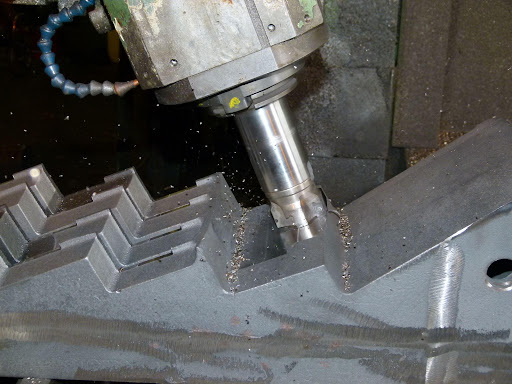
- In-house machining for controlled tolerances.
Our goal is to ensure your material selection supports both performance and commercial viability.
FAQs
1. How do I select the right iron grade?
Start by identifying load conditions, environmental exposure and lifespan requirements. We can review your drawing and recommend the appropriate grade.
2. What’s the difference between SG and grey iron?
Grey iron offers good damping and machinability. SG iron provides higher tensile strength and ductility for load-bearing applications.
3. Do you offer guidance on material selection?
Yes. We work directly with engineers and procurement teams to recommend the most suitable grade for performance and cost efficiency.
4. Can I request nickel alloy castings?
Yes. We can manufacture corrosion-resistant castings where environmental conditions demand enhanced protection.
5. What applications suit each material?
Grey iron suits static and structural parts. SG iron suits dynamic and load-bearing components. Nickel alloys suit corrosive environments.
Download Our Iron Casting RFQ Checklist
Selecting the correct material begins with a clear specification.
Download our RFQ checklist To ensure your enquiry includes all necessary details.
Speak to a UK Iron Foundry That Understands Material Selection
If you need guidance on choosing the correct iron grade for your project, our engineering team is ready to help.
Contact us
Call: +44 (0)1472 355 316
Email: enquiries@fowlerandholden.co.uk